Am 24. Juli 2025 hat die FCC vorgeschlagen, die Regel zu streichen, die Mobilfunkanbieter zwingt, Drittanbieter-Gebühren in einem eigenen, klar beschrifteten Abschnitt der Rechnung auszuweisen — mit eigener Zwischensumme, getrennt vom Tarif. Klingt nach einer bürokratischen Randnotiz, bis man merkt: Genau diese Regel ist es, die dir erlaubt, eine 9,99 $ teure "Voicemail"-Gebühr zu entdecken, die still neben deinem Datenpaket mitfährt (das NPRM ging am 22. August 2025 ins Federal Register).
Kurz gesagt
Über die Handyrechnung laufen zwei völlig unterschiedliche Dinge, und wer sie verwechselt, übersieht am Ende beide. Legales Direct Carrier Billing — App-Store- oder Play-Store-Käufe über die Handyrechnung zahlen — ist in den USA praktisch tot: Der letzte Anbieter, der das für Google Play noch anbot, hat im März 2025 Neuanmeldungen gestoppt. "Cramming" sind nicht autorisierte Drittanbieter-Gebühren (Horoskop-Abos, Klingelton-Dienste, irgendwelche vage benannten "Services"), versteckt hinter nichtssagenden Bezeichnungen. So findest du sie: Öffne die detaillierte Rechnung, such den Abschnitt, den Anbieter separat ausweisen müssen, achte auf verdächtig allgemeine Postenbezeichnungen, und nutz die Sperrfunktion deines Anbieters — die unterscheidet sich stark von Anbieter zu Anbieter und deckt nicht jeden Abrechnungsweg ab.
Eine Leitung, zwei verschiedene Geschichten
Direct Carrier Billing lässt dich etwas in einem App-Store oder bei einem verifizierten Anbieter kaufen und die Gebühr direkt auf die Handyrechnung buchen — keine neue Zahlungsmethode, kein Einmalcode, einfach antippen, und im nächsten Abrechnungszyklus steht es auf der Rechnung. Das war einmal ein großer, realer Kanal: Third-Party Billing hat in den USA fast 12 Millionen Haushalte versorgt. "Cramming" ist der Missbrauch desselben Kanals: nicht autorisierte oder irreführende Gebühren, die über dieselben Abrechnungswege — meist Premium-SMS oder eine Drittanbieter-Billing-Plattform — ohne klare Zustimmung des Kontoinhabers auf die Rechnung gesetzt werden (Definition laut FTC).
Beide laufen durch dieselbe Leitung, und genau deshalb haben Regulierungsbehörden Anbieter gezwungen, sie zu trennen und zu kennzeichnen. Die großen Cramming-Fälle, die den Begriff überhaupt bekannt gemacht haben, sind nicht neu — AT&T zahlte 2014 einen Vergleich über 105 Millionen Dollar, T-Mobile stimmte wenige Monate später mindestens 90 Millionen zu, und Verizon und Sprint überwiesen 2015 zusammen 158 Millionen Dollar an FCC und Bundesstaaten, nachdem ihnen vorgeworfen worden war, sich jeweils rund ein Drittel jeder "untergeschobenen" Gebühr selbst einzubehalten. Das sind Zahlen aus 2014-2015 — eine vergleichbare Welle an Durchsetzungsverfahren gab es seither nicht mehr. Was sich gerade tatsächlich bewegt, ist die Gegenrichtung: Der FCC-Vorschlag von 2025 will genau die Offenlegungsregeln streichen, die jene Verfahrenswelle damals durchgesetzt hat — bei gleichzeitiger Behauptung, das Verbot nicht autorisierter Gebühren selbst bleibe unangetastet — ungefähr so, als würde man die Rauchmelderpflicht abschaffen und behaupten, das Brandstiftungsgesetz gelte ja weiterhin.
Parallel dazu verschwindet die legale Seite des Carrier Billing still und leise. Verizon strich Google-Play-Billing über den Anbieter 2021, AT&T 2022, T-Mobile im August 2024, und US Cellular — der letzte verbliebene Anbieter — stoppte Neuanmeldungen im März 2025. Kein großer US-Anbieter lässt heute noch einen Play-Store-Kauf über die Handyrechnung zahlen. Apples Variante überlebt nur in einzelnen Länder-Anbieter-Kombinationen, nicht als allgemeine US-Option. Wenn also eine Gebühr als "App-Kauf" erklärt wird, lohnt sich Nachfragen mehr als Glauben.
Was die detaillierte Rechnung zeigen muss
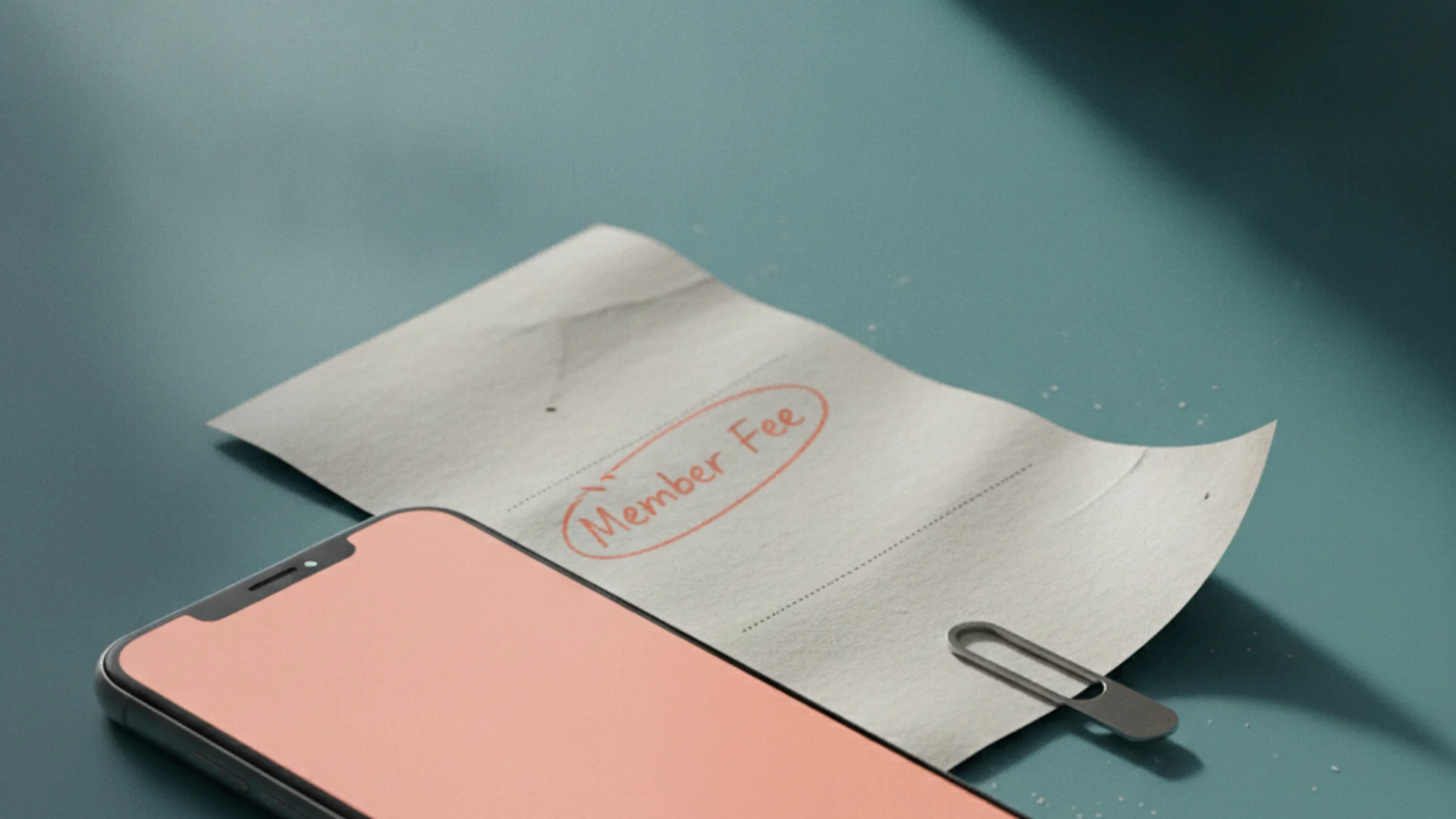
Geltende FCC-Regeln verpflichten Anbieter, Drittanbieter-Gebühren in einem vom eigenen Tarif getrennten Abschnitt mit eigener Zwischensumme und einer klaren Beschreibung des tatsächlichen Anbieters aufzuführen. In der Praxis kündigen sich Gebühren, die durchrutschen, nie von selbst an — historisch tauchten sie unter Bezeichnungen wie "member fee", "voicemail", "service charge", "other fees", "calling plan" oder "web hosting" auf. Keine davon sagt, wofür eigentlich gezahlt wird — genau das ist der Sinn der Offenlegungspflicht, und genau deshalb ist der Rückbau-Vorschlag relevant: Kommentare liefen bis zum 22. September 2025, und fällt die Pflicht zum eigenen Abschnitt weg, wird die Spur solcher Gebühren schwerer zu verfolgen.
Es ist dieselbe Gewohnheit, die ich beim Durchsehen eines Kontoauszugs auf der Suche nach einer unbekannten Abbuchung habe — ich öffne die vollständige detaillierte PDF-Rechnung, nicht nur die Endsumme, und lese jede Zeile, statt dem "Fälligen Betrag" zu vertrauen. Der gleiche Ansatz steckt in unserem Leitfaden zum Auslesen eines Kontoauszugs nach versteckten Abos: kryptische Bezeichnungen sind auf der Kontokarten-Abrechnung genauso absichtlich unklar wie auf der Handyrechnung.
Sperren, je nach Anbieter
In den USA gehen Anbieter unterschiedlich damit um. AT&T bietet einen Purchase Blocker und ein Online-Portal, um Drittanbieter-Käufe einzusehen und zu kündigen. Bei Verizon reicht eine SMS mit CANCEL, STOP oder UNSUBSCRIBE an die Kurzwahl des jeweiligen Programms zum Abbestellen — aber die eigenen Usage-Controls-Bedingungen stellen klar, dass "Ausgabenlimits nicht für Premium Messaging gelten", ein Ausgabenlimit diese Kategorie also gar nicht erreicht. T-Mobile blockiert Drittanbieter-Gebühren auf Anfrage kostenlos und bietet zusätzlich einen Schalter zum Blockieren von Nachrichten — mit dem ausdrücklichen Hinweis, dass das Blockieren aller SMS auch Einmalcodes für die Sicherheit blockiert.
In Großbritannien verläuft die Trennlinie ähnlich. Vodafone, O2 und EE können Drittanbieter-Gebühren vom Typ "Charge to Mobile" auf Anfrage vollständig sperren — EE verlangt zusätzlich, dass vor jeder Drittanbieter-Anmeldung eine PIN aufs Handy geschickt wird. Three dagegen hat Kunden mitgeteilt, technisch gar nicht in der Lage zu sein, eine solche Sperre einzurichten. Ein Ausgabenlimit von 0 £, das mehrere britische Anbieter anbieten, blockiert die meisten ausgehenden Premium-Gebühren, stoppt aber nicht zuverlässig Abbuchungen durch eingehende Premium-SMS — der Unterschied zwischen "Ausgabenlimit" und "vollständiger Sperre" ist genau das Detail, das generische Ratschläge zur Falle macht.
Keines dieser Anbieter-Tools gleicht ab, wofür du dich anderswo tatsächlich bewusst angemeldet hast — die Prüfung der Handyrechnung ist ein eigener Durchgang, getrennt vom Kontoauszug oder einem Abo-Tracker wie Subnesio, weil Carrier Billing ein Kanal ist, den keines von beiden automatisch sieht. Eine eigene Liste dessen, wofür du dich bewusst angemeldet hast (ich führe meine auf der Preisseite von Subnesio als Basis, eine Tabelle tut es aber auch), gibt dir einen konkreten Vergleichspunkt, um die detaillierte Rechnung Zeile für Zeile zu prüfen — statt der Bezeichnung zu vertrauen, die der Anbieter draufgedruckt hat.
P.S. — Antworten auf den FCC-Vorschlag liefen bis zum 21. Oktober 2025. Ob die Pflicht zum eigenen Abschnitt für Drittanbieter-Gebühren dieses Verfahren übersteht, ist zum Zeitpunkt dieses Textes noch offen — ein guter Grund, jetzt schon einen Screenshot der eigenen detaillierten Rechnung zu machen, solange der Abschnitt noch existieren muss.