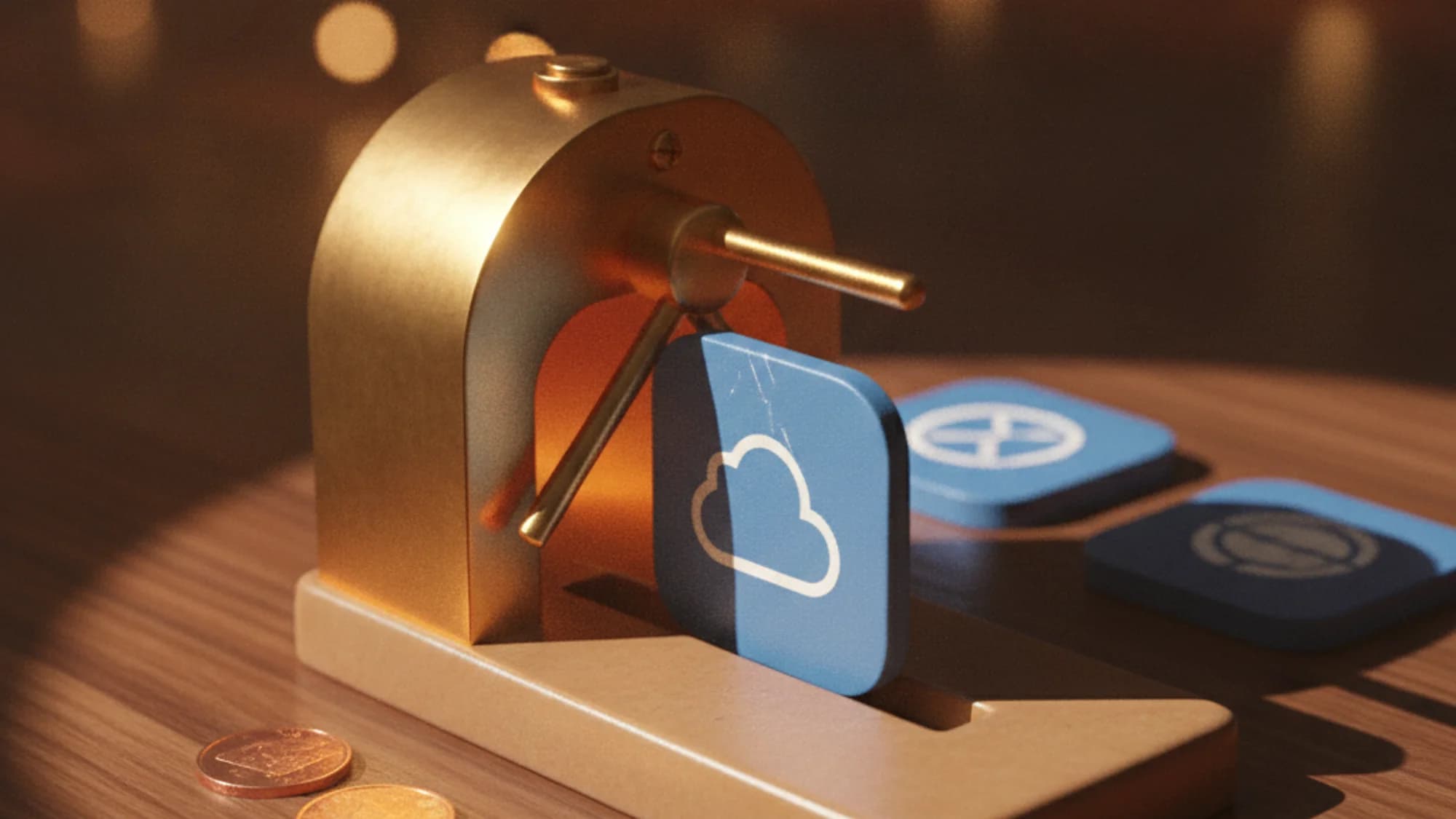
У вересні 2025 року Amazon погодився виплатити $2,5 мільярда — мільярд штрафів і $1,5 мільярда відшкодувань споживачам — щоб врегулювати звинувачення FTC: компанія підключала мільйони людей до Prime без їхньої згоди, а потім робила відписку настільки навмисно заплутаною, що скасувати підписку фактично було неможливо. Це не збій у системі білінгу. Це річна підписка, що працює рівно так, як її задумали.
Коротка відповідь
Річні підписки найлегше забути — бо між рішенням підписатися й наступним списанням проходить цілий рік. Щоб не пропустити жодне поновлення:
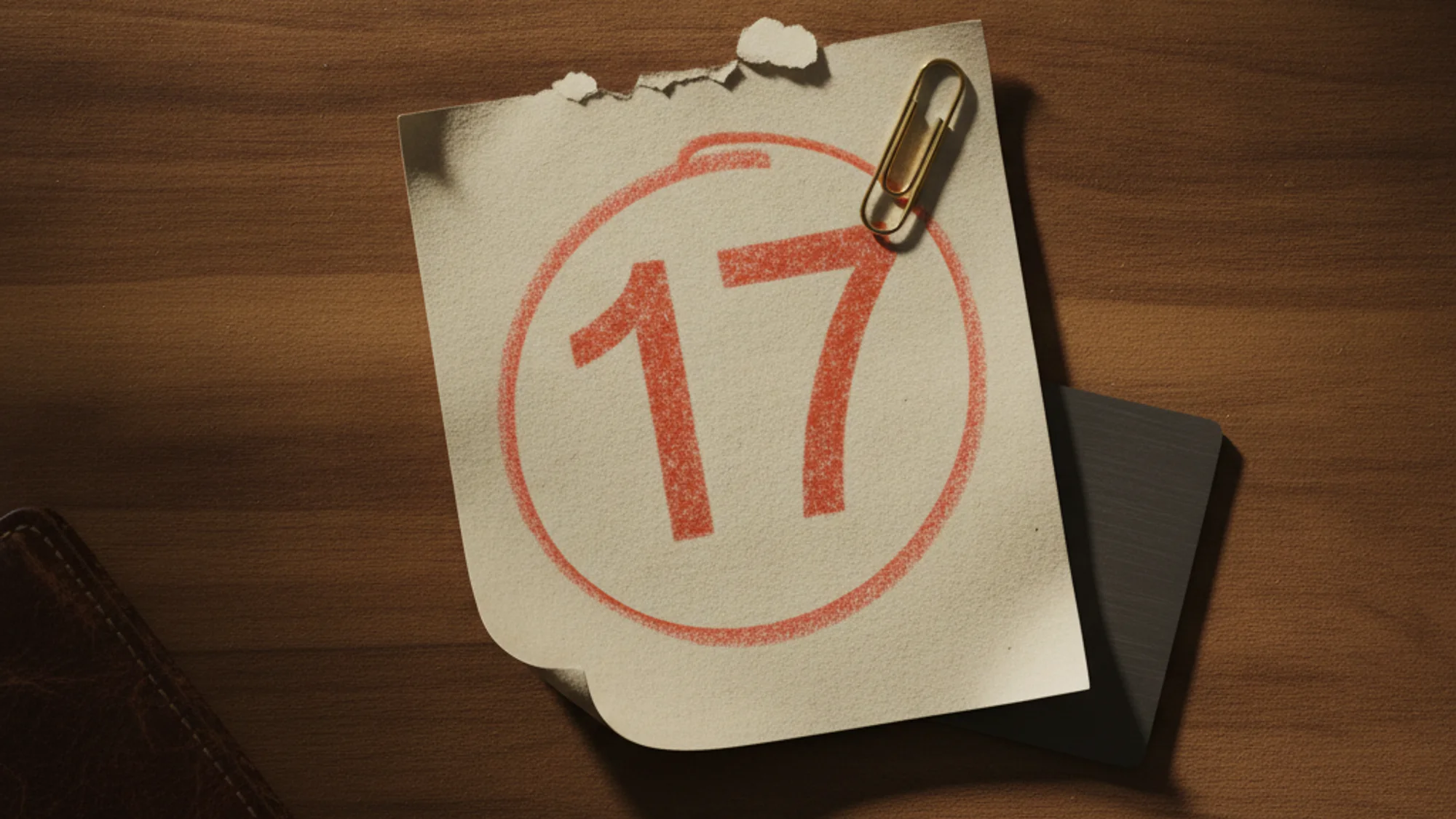
- Записуйте дату поновлення в календар одразу після підписки — не дату початку, а дату наступного списання
- Поставте нагадування за 30 днів до поновлення: цього часу достатньо, щоб скасувати без штрафу
- Щороку в січні перевіряйте банківські виписки за грудень і звіряйте з тим, що хотіли зберегти
- Перевіряйте, чи не зросла ціна при поновленні — антивірусні програми на кшталт McAfee і Norton славнозвісні саме цим
Чому річні списання так легко пропустити
Тут спрацьовує не просто забудькуватість — це закономірність, яку дослідники поведінки фіксують окремо. Наукова стаття, представлена на конференції Європейської асоціації когнітивної ергономіки у 2025 році, сформулювала це так: 12-місячний проміжок між підпискою та поновленням призводить до того, що первісне рішення повністю зникає з оперативної пам'яті ще до того, як приходить наступний платіж. Ви не забули про підписку. Ви забули, що взагалі ухвалювали рішення підписатися — а це принципово різні речі, і не випадковість, на яку виробники натрапили.
Місячна підписка нагадує про себе дванадцять разів на рік — рано чи пізно ви або починаєте нею користуватися, або скасовуєте. Річна підписка просто зникає з поля зору, і в цьому весь сенс. Утримання платних річних підписників через рік становить близько 92%, тоді як місячних — лише 68%. Частина цієї різниці — люди, які свідомо обрали залишитися. Але інша частина — ті, хто просто не помітив списання: гроші пішли мовчки, а коли дійшло до виписки, вікно для скасування вже зачинилося.
Знижка, через яку ви взагалі потрапили на річний план, виконувала конкретне завдання. Дослідження Self Financial 2026 року показало: 73% споживачів охочіше підписуються, коли отримують знижку за довшу прив'язку, — і лише 6,2% людей за замовчуванням обирають річну оплату. Решта опинилися там через банер «заощадьте 20% — платіть раз на рік». Знижка справжня. Забуття теж справжнє. Обидва — частина задуму, і я б не називав це збігом обставин.
Дрібний шрифт
Мирова угода Adobe на $150 мільйонів у 2026 році показує, що відбувається з людиною, яка вважала, що в неї гнучкий план. FTC встановила: план Adobe «річний з місячною оплатою» — де ви платите частинами, але прив'язані до річного договору — «наочно показує місячну вартість під час підписки, але ховає комісію за дострокове розірвання в дрібному шрифті». Ця комісія становила 50% від залишкової вартості договору. Хтось, хто підписався на Creative Cloud у першому місяці й спробував скасувати в третьому, заборгував би Adobe за п'ять місяців, якими так і не скористався.
Схожа схема фігурувала у справі Shutterstock: у травні 2026 року компанія погодилася виплатити $35 мільйонів за оманливі умови автопоновлення річних планів і безкоштовні пробні версії, що перетворювалися на платні річні підписки без належного попередження. Це не рідкісні зловживання — це будова самого продукту.
Каліфорнія відреагувала: з 1 липня 2025 року компанії зобов'язані надсилати письмове попередження про поновлення річної підписки за 15–45 днів до списання. Але цей закон поширюється лише на один штат. Для більшості споживачів правила не змінилися: гроші списуються — і лише тоді ти про це дізнаєшся.
Де ховаються річні списання
Категорії, які найлегше пропустити: антивірусне програмне забезпечення (McAfee поновлюється за $84,99 після першорічної ціни $29,99 — зростання на 183%; Norton 360 Deluxe — зі $49,99 до $119,99, тобто +140%), реєстрація доменів (промоціна перший рік — менш ніж $4, поновлення — $22 і більше), хмарне сховище з річною оплатою та будь-який SaaS-сервіс, на який ви підписалися під час акції у Чорну п'ятницю. Спільне між ними — привабливо низька стартова ціна, через яку майже неможливо запам'ятати, скільки буде коштувати поновлення.
Вести облік вручну складніше, ніж здається — не тому, що інформація недоступна, а тому, що дати поновлення розкидані по всьому року, нерідко по різних картках, і кожне списання приходить у момент, коли ви зайняті зовсім іншим. За даними опитування CNET 2025 року, середній американець витрачає близько $205 на рік на підписки, якими більше не користується, — і саме річна оплата найдовше тримає ці витрати непомітними. Банківський інтерфейс теж не допоможе: платіж, що з'являється раз на рік, потрапляє в категорію «різне», а не позначається як регулярний.
Практичне рішення просте, але воно вимагає дії в момент підписки — не через пів року. Коли підписуєтесь на щось із річною оплатою, одразу встановіть два нагадування в календар: за 30 днів до поновлення (достатній термін, щоб скасувати без штрафу) і на саму дату поновлення для контролю. Якщо сервіс прив'язаний до іншої електронної пошти — запишіть і це: листи про річне поновлення мають звичку потрапляти в поштові скриньки, які ви майже не перевіряєте.
Subnesio дозволяє фіксувати дати поновлення і прив'язувати платіжні цикли — щоб мати єдиний список того, що і коли списується, включно з річними платежами, які інакше з'явилися б раз і зникли. Мета не в тому, щоб від всього відписатися. Мета — зробити поновлення свідомим рішенням, а не автоматичним наслідком бездіяльності.
P.S. За даними звіту RevenueCat 2024 року, лише 35,3% власників річних підписок поновлюють їх після першого року — тобто майже двоє з трьох не продовжують. Якщо ви в цій більшості, а вас все одно списали — перевірте закони вашого штату чи країни щодо автоматичного поновлення: можливо, ви маєте право на повернення коштів.