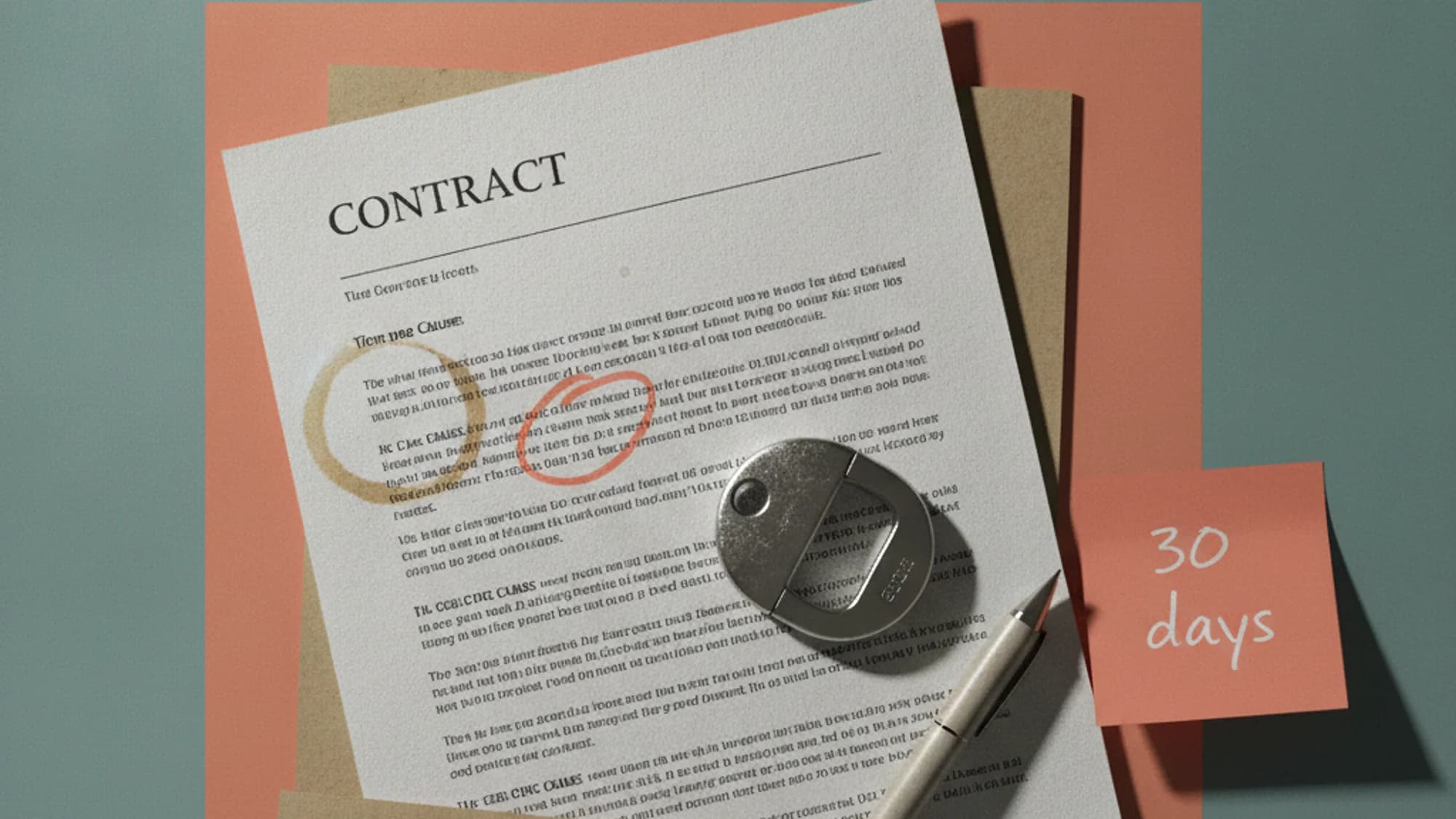
"Last call! We stop selling Rosetta Stone lifetime subscriptions tomorrow" was the actual subject line of a Rosetta Stone promo push into 2026 — and it's a strange thing to read next to a federal class action, Lotun v. Rosetta Stone, arguing that "lifetime software download" access got cut off after roughly 24 months. Somewhere between "last call" and a courtroom, "lifetime" stopped meaning what it says on the box.
Quick answer
Cancel any of these apps through the store you actually paid — the website account page if you bought direct, Apple ID → Subscriptions on iOS, Google Play → Subscriptions on Android. That single rule covers Duolingo, Babbel, Busuu, Memrise, Mango Languages, Coursera Plus, Skillshare, MasterClass, Brilliant, and Codecademy alike; none of them can process a refund or stop billing on a purchase routed through someone else's storefront. Beyond that, three things vary by vendor: whether progress survives the lapse (Duolingo's free tier and streaks do, most others just lock behind the paywall again), whether a course-in-progress gets cut off mid-way (Coursera Plus), and whether "lifetime" ever meant lifetime (Rosetta Stone's did, on paper — Duolingo has never sold a lifetime plan at all).
No, Duolingo does not have a lifetime plan
Search "Duolingo lifetime deal" and you'll land on content-farm pages implying one exists. It doesn't, and Duolingo has said so directly: replying to a user request on X, the company wrote, "We don't currently offer a lifetime membership (great idea, though!)." Only monthly and annual Super Duolingo are for sale. Cancelling is platform-dependent — Settings on the web, Apple ID on iOS, Google Play on Android — and access continues through the paid period either way, no partial refund.
Rosetta Stone is the opposite case, and the more instructive one. It did sell one-time "Lifetime" packages covering all 25 languages, listed around $399 and routinely discounted to $149–$199, right up until it reportedly stopped selling them in February 2026. The named plaintiff in the class action bought a Spanish course through Amazon in 2018 for about $145 expecting permanent access; the suit alleges that access to the legacy platform was cut after roughly two years, and claims violations of California's False Advertising Law among others. Rosetta Stone's Trustpilot page currently sits at 2.0 out of 5 across nearly 7,000 reviews, with a recurring complaint thread about exactly this: a paid-once product turning into something that stopped working. None of that is proof the suit will win, but it's exactly the kind of pattern I'd want on record before handing over money for a "lifetime" anything.
It also lands in a moment when regulators are actually paying attention to subscription tricks generally, even if not to language apps specifically. The FTC's $2.5 billion settlement with Amazon over Prime "dark patterns," and a separate $75 million Adobe settlement for burying early-termination fees, are both general subscription-industry precedent — no case has named a learning app specifically — but they're exactly the backdrop against which I'd treat a "lifetime" claim that expires with more suspicion, not less. Rosetta Stone's own history is documented in the ongoing suit.
Streaks, gems, and what actually survives cancellation
Duolingo is the one app here with a confirmed streak mechanic worth planning around. A Streak Freeze costs 200 Gems in the app (10 Lingots on web), you can bank two at a time, and hitting a 100-day streak hands you three more for free. Super Duolingo subscribers also get Auto Streak Repair, which spends gems automatically the moment a streak breaks — a feature that quietly disappears the day the subscription lapses, gem balance or not. I wouldn't read any of this as a reason to keep paying past the point you're actually using the app; it's a reason to freeze or repair a streak deliberately before cancelling, rather than assume the app will handle it for you.
Don't assume that same streak logic exists elsewhere. Busuu, Memrise, and Mango Languages track progress, not the day-count-and-freeze system Duolingo built — nothing in their documentation suggests streak preservation the way Duolingo offers it. All three otherwise follow the same shared mechanic: cancel on whichever platform sold you the subscription, features run through the paid period, and refund windows are short — Busuu gives 14 days from purchase (minus the value of anything already used), Mango gives none at all beyond the current period. Duolingo's own Better Business Bureau profile lists a pattern worth flagging here too: complaints describing continued charge attempts after a user believed a free-trial cancellation had gone through — a reminder to screenshot the cancellation confirmation, not just click the button and move on.
Course platforms: certificates stay, progress doesn't
Coursera Plus draws a hard line most subscribers don't notice until it's too late: certificates you've already earned stay in your account and on LinkedIn permanently, cancelled or not, but a course you're 80% through with no certificate yet gets locked the moment the billing period ends — finishing it means paying again. Codecademy runs the same split: download any earned certificate before cancelling, because Pro access — and the certificate view — locks back up afterward. It's the one habit I'd build into any cancellation on a platform with a certificate attached, and the one step none of these vendors put on the cancellation screen itself. Skillshare, MasterClass, and Brilliant each advertise a refund window (Skillshare's varies by trial length, MasterClass gives 30 days on direct first-time purchases, Brilliant's is officially "none, except at our discretion") that applies only to the first charge made directly on their own site — renewals, gifts, and anything billed through Apple, Google, or Amazon get refunded through that platform instead, not the vendor.
Given how many of these run on annual billing with a single renewal date, a reminder set before the charge lands does more good than any refund policy — that's the entire premise behind tracking renewals in Subnesio rather than trusting eleven different cancellation pages to behave consistently.
Cancel where you paid, freeze the streak before you go, and download the certificate first — the app rarely reminds you to do any of it on the way out.